NASA Micro-g NExT · Team Falcons

EVA Soft-Goods Repair Tool

A one-sided repair challenge became SMRT: a hand-operated tool designed to puncture and fasten overlapping soft-goods layers.

Mechanical designSafety & testingPrototype analysis
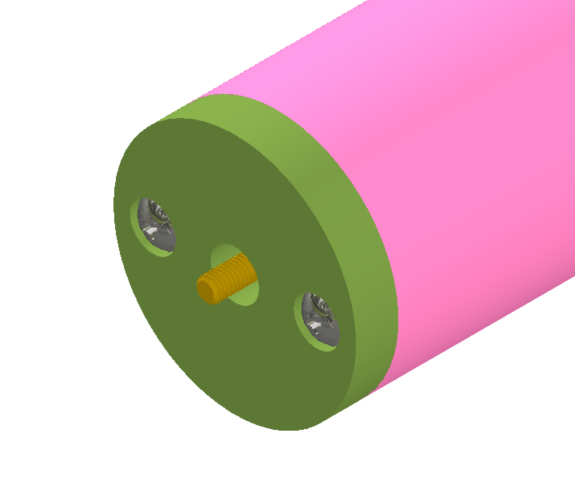
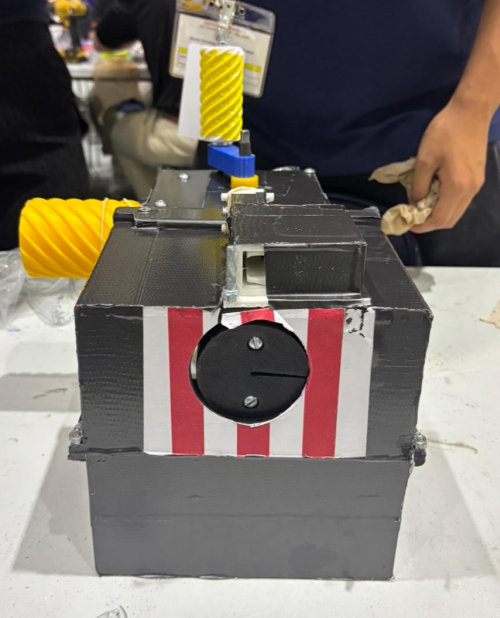
Front view of Team Falcons' completed SMRT soft-goods repair prototype
Final assembled prototype · Team Falcons, 2025.

Project overview

A compact tool for a difficult repair task.

The project

Astronauts may need to join overlapping soft-goods layers when only the front side is accessible. Team Falcons designed and built the Softgoods Mandrel and Rivet Tool (SMRT) to puncture the material and set a rivet from that side.

My role as a Safety and Test Engineer focused on mechanical design and analysis. I supported the proposal with free-body diagrams, stress analysis, and FEA while the team fabricated and tested the integrated prototype.
Design requirements

Three jobs for one tool.

01

Work from one side

Reach and join two overlapping layers without access behind the repair area.

02

Puncture, then crimp

Make a controlled hole, switch mechanisms, and set a rivet at the same location.

03

Protect the operator

Shield moving parts and reduce hazards while keeping the hand-operated tool usable.

Engineering process

From requirements to underwater testing.

Each stage answered an engineering question: how the mechanisms would fit, which details needed revision, what forces they had to handle, and what the underwater test could verify.

01

Package the mechanisms.

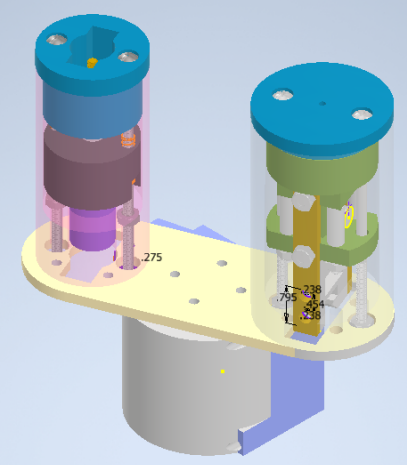
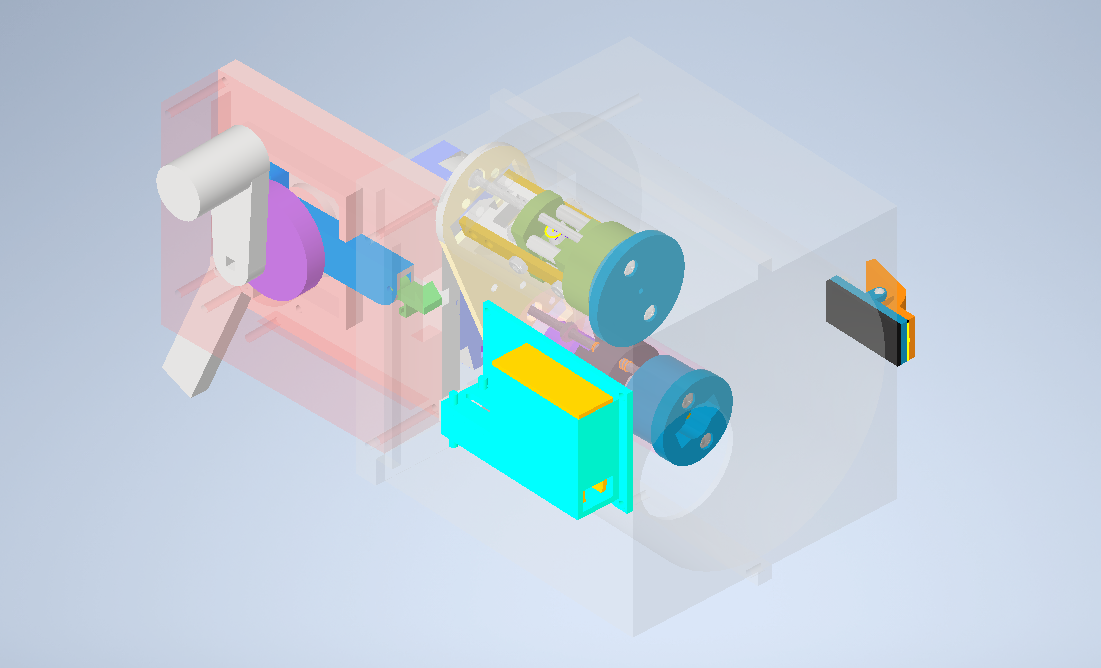
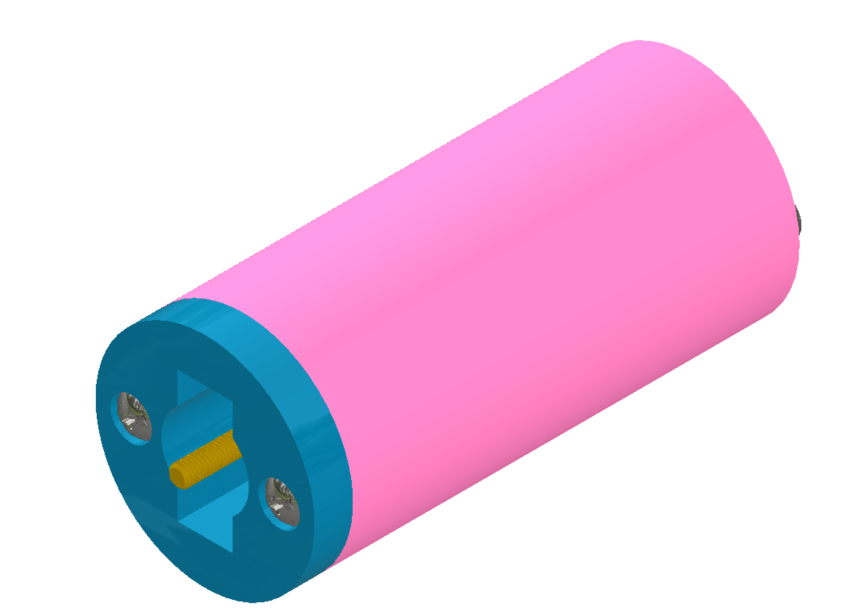
SMRT combines a puncturing barrel, a crimping barrel, a switching mechanism, and a hand-operated power system. The translucent CAD view shows how those parts fit inside the protective housing.

Translucent CAD assembly showing the SMRT tool's internal mechanisms
System layout in CAD · Team Falcons, Final Report, Figure 3.
02

Revise for safety.

Design review feedback identified a possible finger-entrapment hazard at the original puncture opening. The team reduced the exposed gap while retaining the blade's travel. The CAD comparison shows the change.

Original puncture-end CAD with larger front opening
Original
Improved puncture-end CAD with reduced front opening
Improved
Original and improved puncture ends · Team Falcons, Final Report, Figure 5.
03

Measure the forces.

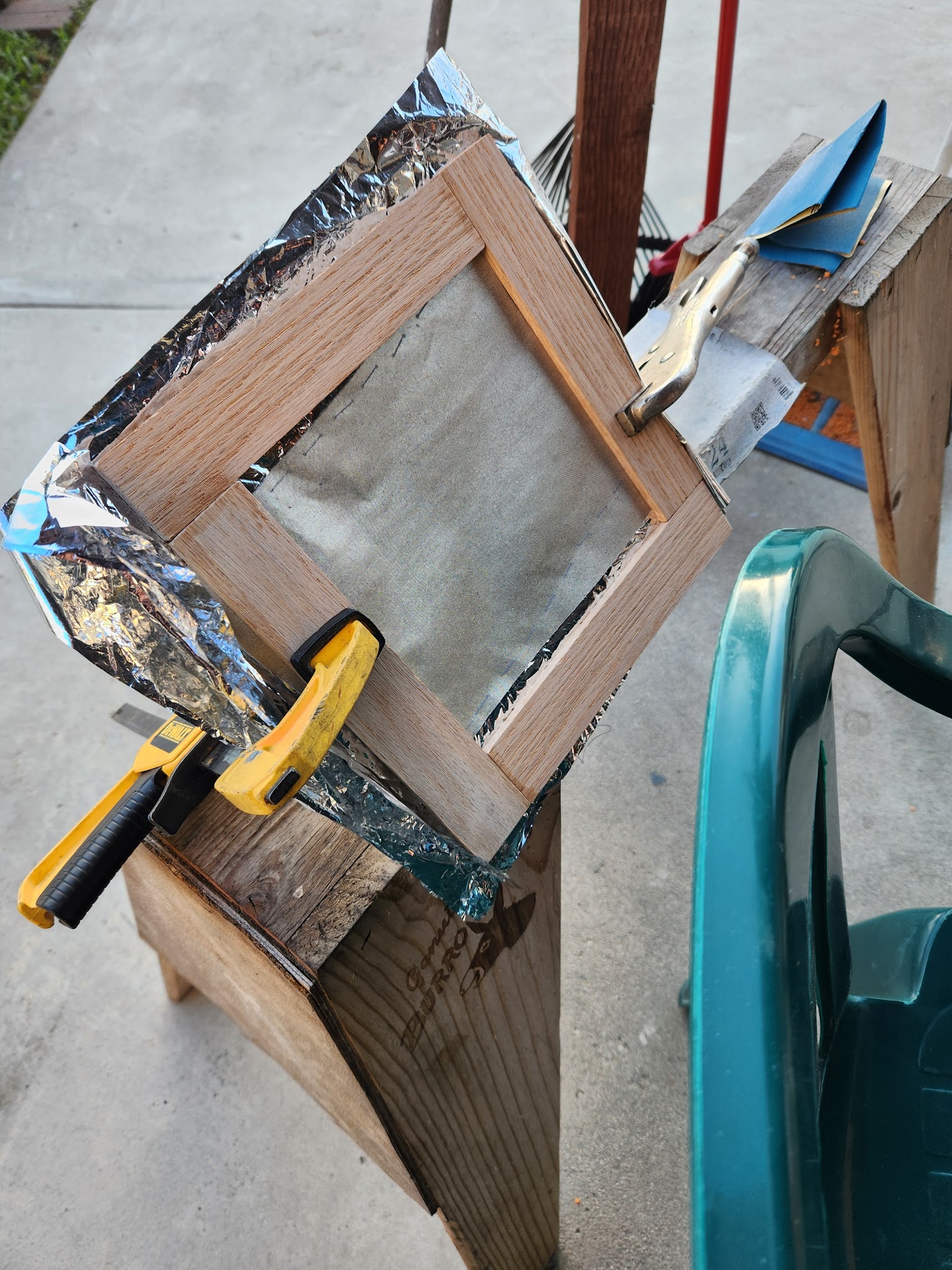
The team built a multi-layer insulation test fixture and measured forces relevant to the mechanisms. These values informed the analysis of the 3D-printed components and operation of the tool.

6.77 lbAverage force measured to crimp a rivet using a manual rivet gun.
0.82 lbAverage force measured to actuate the barrel switch.
Multi-layer insulation clamped in the team's physical test fixture
Multi-layer insulation test fixture · Team Falcons, Final Report, Figure 22. Measurements: Tables 2–3.
04

Test in the pool.

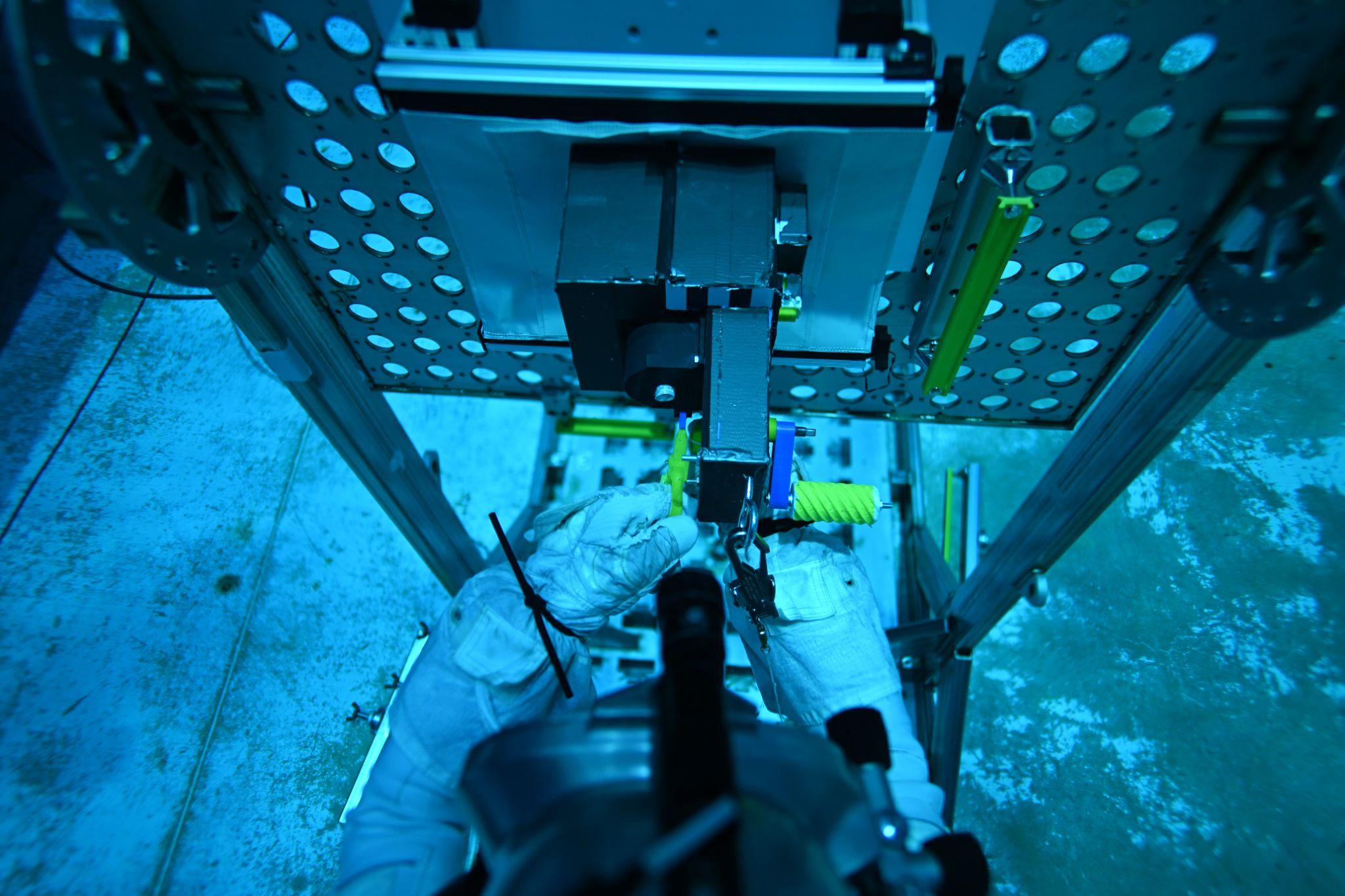
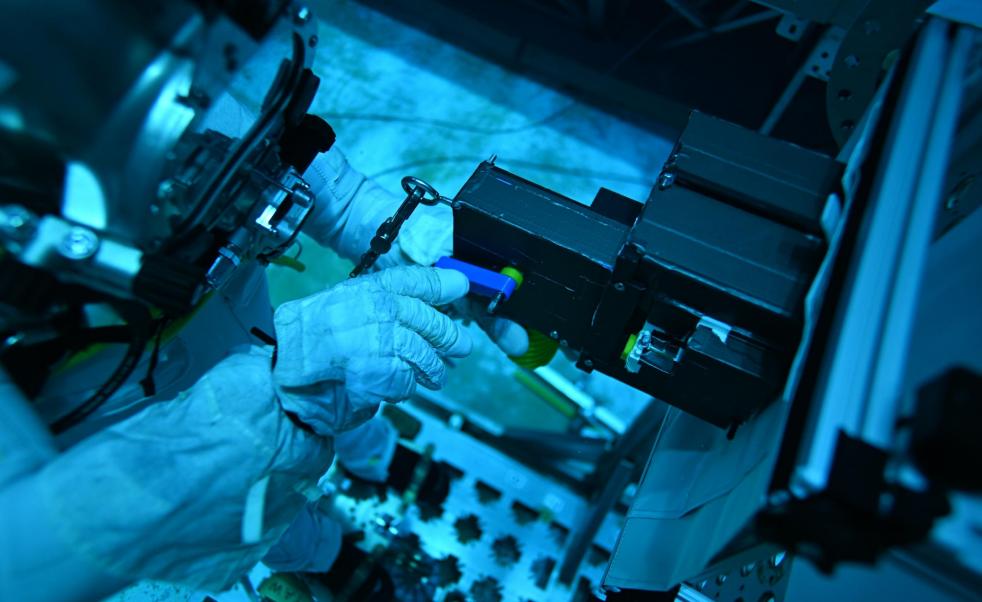
At NASA's Neutral Buoyancy Laboratory, a diver aligned the tool and punctured the test material. Switching to the crimping mechanism proved difficult. Testing time ended before the underwater crimp could be completed.

That result showed what the integrated prototype could do in the test environment and where the next design iteration should focus.

NBL diver handling the SMRT prototype underwater
Underwater testing of SMRT. Photo: NBL Dive Team · Team Falcons, Final Report, Figure 1.

Outcome

A tested puncture and a clear next step.

The team built and integrated the tool, measured its operating forces, and tested it with an NBL diver. The puncturing step was completed; the pool test ended before the crimping step could be validated.

  • Built: Puncturing, crimping, switching, power, and housing systems in one prototype.
  • Measured: Forces to guide component analysis and operation.
  • Learned: The barrel switch needed further refinement for reliable underwater use.